
Article: How to Get Used to CPAP Therapy: 12 Tips for New CPAP User
How to Get Used to CPAP Therapy: 12 Tips for New CPAP User

Starting CPAP therapy is one of the best steps you can take for your health, but it's completely normal if it doesn't feel comfortable right away.
Many new users expect to put on their mask, fall asleep immediately, and wake up feeling refreshed. While that does happen for some people, most need a little time to adjust. Learning to sleep with a CPAP machine is similar to getting used to wearing glasses or sleeping in a new bed. It takes patience and consistency.
The good news is that most people who stick with therapy become comfortable within a few weeks, and many report sleeping better, feeling more energized, and waking up with fewer headaches once they adjust.
If you're just starting CPAP therapy, here's what you can expect and how to make the transition easier.

1 Give Yourself Time to Adjust
One of the biggest mistakes new CPAP users make is expecting instant results.
While some people notice improvements after their first night, others need several weeks before CPAP begins to feel natural.
Your brain and body are learning something completely new:
- Sleeping with a mask
- Breathing with positive air pressure
- Keeping the mask on throughout the night
This adjustment period is completely normal.
Instead of focusing on getting a perfect night's sleep immediately, aim for steady progress. Even wearing your CPAP for a few more hours each night is a step in the right direction.

2 Wear Your Mask Before Bed
You don't have to wait until bedtime to get used to your mask.
Try wearing it while you're:
- Watching TV
- Reading a book
- Browsing your phone
- Relaxing on the couch
Wear it for 20-30 minutes while the machine is running.
This helps your brain become familiar with the sensation of airflow before you're trying to fall asleep.
Wearing your mask for short periods before bed can help you adjust to the sensation of CPAP therapy, making it feel more natural when it's time to go to sleep.

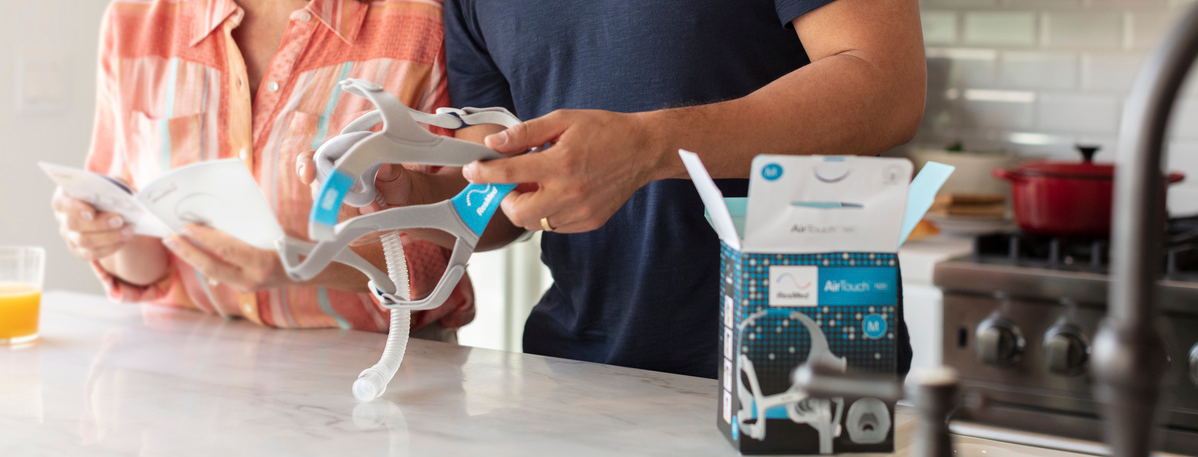
3 Find the Right Mask Fit
A mask should create a seal, not squeeze your face.
Many new users assume tighter straps prevent leaks, but overtightening often causes:
- Pressure marks
- Skin irritation
- More mask leaks
- General discomfort
Instead:
- Adjust the mask while lying down.
- Turn your CPAP machine on during fitting.
- Tighten only enough to maintain a good seal.
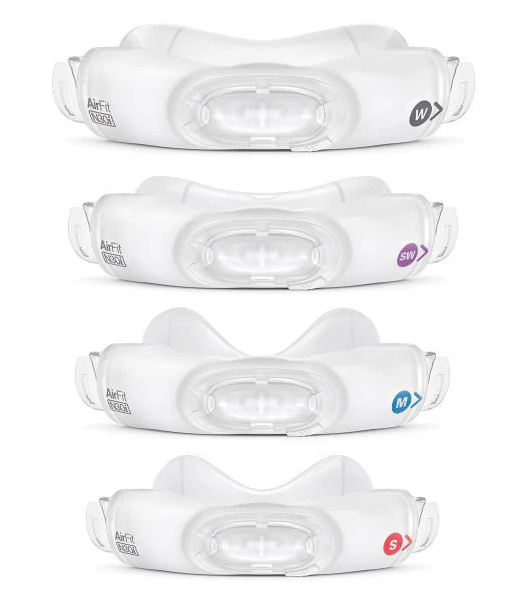
If your mask continues leaking despite proper adjustment, it may simply be the wrong style or size.

4 Understand That Air Pressure May Feel Strange
The sensation of positive air pressure can feel unusual during the first few nights.
Some people describe it as:
- Too much air
- Difficulty breathing out
- Feeling overwhelmed by the airflow
This usually improves as your body adapts.
Many CPAP machines also include comfort features such as:
- Ramp settings that gradually increase pressure as you fall asleep
- Expiratory pressure relief (EPR) or similar features that reduce pressure slightly when you exhale
If your pressure still feels uncomfortable after several nights, speak with your sleep clinic or healthcare provider rather than stopping therapy.

5 Use Your CPAP Every Night
Consistency is one of the biggest predictors of long-term success.
Skipping nights can make the adjustment process take longer because your body has to "relearn" the sensation each time.
Try to use your CPAP:
- Every night
- During naps when possible
- For the entire time you're asleep
The more consistently you use it, the sooner it begins to feel like part of your normal bedtime routine.

6 Don't Ignore Dry Nose or Dry Mouth
Dryness is one of the most common concerns among new CPAP users.
You may notice:
- Dry mouth
- Dry nose
- Nasal congestion
- Sore throat
Many CPAP machines include an integrated heated humidifier that adds moisture to the airflow and can greatly improve comfort.
If you're still experiencing dryness, adjusting the humidification level or adding heated tubing may help maintain moisture throughout the night.

7 Expect Some Mask Leaks at First
Minor leaks during the first few nights are common.
However, frequent or loud leaks shouldn't be ignored.
Leaks can occur because of:
- Incorrect mask size
- Worn-out cushions
- Loose or overly tight headgear
- Sleeping position
If leaks continue after making adjustments, a different mask style may provide a better fit.

8 Keep Your Equipment Clean
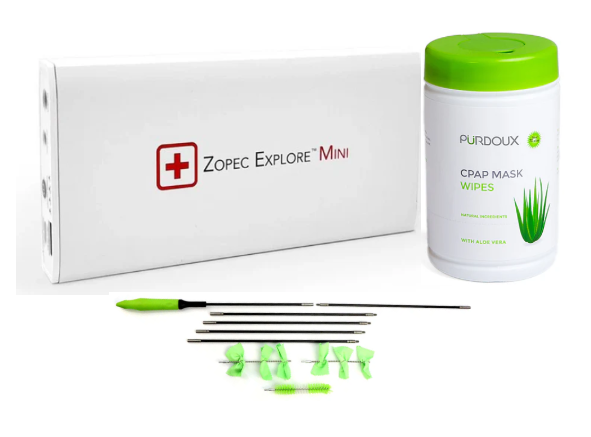
Regular cleaning helps your equipment perform properly and can make therapy more comfortable.
Make it a habit to:
- Wipe your mask cushion daily
- Empty the humidifier chamber each morning
- Wash your mask, tubing, and water chamber weekly using warm water and mild soap
- Allow all components to air dry completely before reassembly
Clean equipment helps maintain a good mask seal, reduces skin irritation, and promotes better hygiene.

9 Don't Get Discouraged if You Remove Your Mask
Many people unknowingly remove their mask during sleep during the first few weeks.
This doesn't mean CPAP therapy isn't working.
Simply put the mask back on the next night and continue building the habit.
Over time, most users naturally stop removing it as they become more comfortable.

10 Track How You're Feeling
The benefits of CPAP often appear gradually.
You may notice improvements such as:
- Waking up feeling more refreshed
- Less daytime sleepiness
- Fewer morning headaches
- Improved concentration
- Reduced snoring
- Better overall sleep quality
Keeping a simple journal during your first month can help you recognize progress that might otherwise go unnoticed.

11 Ask for Help if Something Doesn't Feel Right
You shouldn't have to "just live with" an uncomfortable CPAP experience.
If you're struggling with:
- Mask discomfort
- Persistent air leaks
- Pressure that's difficult to tolerate
- Ongoing dryness
- Skin irritation
If you're having trouble with your CPAP equipment, our team is here to help. We can answer equipment-related questions about your mask, replacement parts, cleaning, and other product-related concerns. If your issue involves your prescribed pressure settings or ongoing treatment, we recommend following up with your sleep clinic or healthcare provider.
Often, a simple equipment adjustment or trying a different mask style can make a significant difference in your comfort.

12 Remember Why You Started
CPAP therapy treats obstructive sleep apnea by helping keep your airway open while you sleep.
Over time, consistent treatment may help reduce symptoms such as:
- Loud snoring
- Repeated breathing interruptions during sleep
- Excessive daytime sleepiness
- Morning headaches
- Poor sleep quality
Many people also find they have more energy and improved focus once they've adjusted to therapy.
The first few weeks may require patience, but the long-term health benefits are well worth the effort.

Frequently Asked Questions
How long does it take to get used to CPAP?
Most people begin feeling more comfortable within 2 to 4 weeks, although everyone's adjustment period is different. Using your CPAP every night is the best way to adapt more quickly.
Is it normal for CPAP to feel uncomfortable at first?
Yes. Wearing a mask and breathing with positive air pressure is a new experience for most people. Mild discomfort during the first few nights is common and usually improves with consistent use.
What if I can't sleep with my CPAP?
Practice wearing your mask during the day while you're awake, use your CPAP every night, and speak with your provider if your mask or pressure settings remain uncomfortable. Small adjustments often make a big difference.
Should I tighten my CPAP mask to stop leaks?
No. A mask that's too tight can actually cause more leaks and discomfort. Your mask should fit snugly enough to create a seal without excessive pressure on your face.
What if I wake up and my CPAP mask is off?
This is common for new users. Simply put it back on the following night and continue using your therapy consistently. Most people stop removing the mask during sleep as they become accustomed to it.
Final Thoughts
Starting CPAP therapy is an adjustment, but it gets easier with time.
Be patient with yourself, use your CPAP consistently, and don't hesitate to ask for help if something isn't working. Whether it's a different mask style, a humidification adjustment, or a better fit, small changes can make a significant difference in your comfort and success.
The goal isn't to have a perfect first night. It's to build healthy sleep habits that improve your quality of life for years to come.