
Why Is My CPAP Mask Leaking? Common Causes and How to Fix Them
If you've noticed air escaping from your CPAP mask while you sleep, you're not alone. CPAP mask leaks are one of the most common issues experienced by CPAP users and can affect both comfort and therapy effectiveness.
A leaking CPAP mask can cause dry eyes, increased noise, sleep disruptions, and frustration with therapy. Fortunately, most mask leaks can be resolved with a few simple adjustments.
In this guide, we'll explain the most common causes of CPAP mask leaks, how to stop them, and when it may be time to replace your CPAP mask or cushion.

Why CPAP Mask Leaks Matter
Your CPAP machine is designed to deliver a prescribed amount of air pressure to help keep your airway open throughout the night. When air escapes from around the mask seal, the machine may need to work harder to maintain therapy pressure.
While modern CPAP machines can compensate for small leaks, larger leaks can:
- Disrupt your sleep
- Reduce overall comfort
- Cause dry or irritated eyes
- Lead to dry mouth
- Increase noise during the night
- Impact the effectiveness of your therapy
It's important to note that every CPAP mask has built-in vent holes that release exhaled air. This airflow is normal and should not be confused with an actual mask leak.
Common Causes of CPAP Mask Leaks

1. Your CPAP Cushion Is Worn Out
Over time, CPAP mask cushions naturally wear down. Daily use, facial oils, cleaning products, and regular handling gradually reduce the cushion's ability to create a proper seal.
As the silicone becomes softer and less resilient, leaks become more common.
Signs of a worn cushion include:
- Increased leaks despite proper adjustment
- Visible wear or discoloration
- Loss of flexibility
- Frequent need to tighten the headgear
Many manufacturers recommend replacing silicone cushions approximately every 1 to 3 months, depending on the mask and usage. Regular replacement helps maintain both comfort and seal performance.

2. Your Headgear Is Too Loose
A loose mask is one of the most common causes of leaks.
Most CPAP masks are designed to sit gently against the face and create a seal when air pressure is applied. If the headgear is too loose, the cushion may shift during sleep and allow air to escape.
If you notice leaks when changing positions or rolling onto your side, loose headgear may be contributing to the problem.

3. Your Headgear Is Too Tight
Many users assume that tightening the mask will eliminate leaks. In reality, overtightening can often make leaks worse.
When a cushion is compressed too tightly against the face, it may become distorted and lose its ability to seal properly. This can create gaps where air escapes.
A properly fitted mask should feel secure and comfortable without excessive pressure.

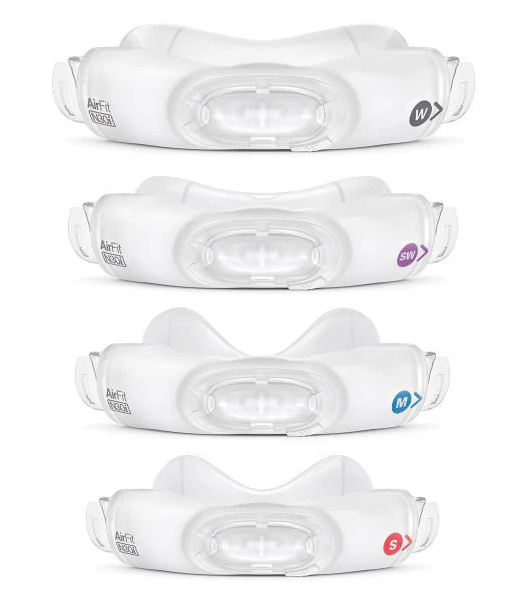
4. Your Mask Is the Wrong Size
Even a brand-new mask may leak if the cushion size is not appropriate for your facial features.
A mask that is too large may shift during the night, while a mask that is too small may not provide enough surface area to create a proper seal.
Common signs of an incorrect size include:
- Leaks around the eyes
- Leaks near the corners of the mouth
- Frequent repositioning
- Pressure points or discomfort
Many CPAP mask manufacturers provide printable sizing guides to help users determine the correct cushion size.

5. Facial Oils Are Breaking the Seal
Natural oils from your skin can accumulate on the cushion throughout the day and reduce its ability to grip the skin.
Even a properly fitted mask may begin leaking if the cushion is not cleaned regularly.
Daily cleaning with mild soap and warm water can help remove oils and maintain an effective seal.

6. Your Sleeping Position Is Affecting the Mask
Side sleepers often experience leaks when their pillow pushes against the mask during sleep.
This is particularly common with larger full face masks that extend across a greater portion of the face.
If leaks occur primarily when sleeping on your side, adjusting your pillow position or exploring a different mask style may help improve comfort and reduce leaks.

7. Your CPAP Pressure Has Changed
Higher therapy pressures can make existing fit issues more noticeable.
While pressure itself is not usually the root cause of leaks, increasing pressure may reveal problems with cushion wear, sizing, or headgear adjustments that were previously unnoticed.
If leaks begin after a pressure adjustment, it's worth checking the condition and fit of your mask before assuming the pressure setting is the cause.
How to Stop CPAP Mask Leaks

Refit Your Mask While Lying Down
Many users fit their mask while sitting upright, but facial contours naturally change when lying down.
For the most accurate fit:
- Put on your mask.
- Turn on your CPAP machine.
- Lie down in your normal sleeping position.
- Make small adjustments until the mask feels comfortable and secure.

Clean Your Cushion Regularly
A clean cushion typically seals better than one covered with facial oils and debris.
Following the manufacturer's cleaning recommendations can help maintain comfort and reduce leaks.

Inspect Your Equipment
Examine your mask regularly for:
- Cracked or torn cushions
- Stretched headgear
- Damaged frames
- Worn components
Even minor wear can significantly affect the quality of the seal.

Replace Worn Components
Many leak-related issues can be resolved by replacing worn parts rather than purchasing an entirely new mask.
Depending on the component and manufacturer recommendations, replacement may include:
- Cushion
- Headgear
- Frame
- Complete mask system
Many manufacturers recommend replacing the complete CPAP mask approximately every 6 months to help maintain performance, comfort, and hygiene.

Consider a Different Mask Style
Sometimes the issue isn't the fit - it's the mask style itself.
For example:
- Full face masks are often preferred by mouth breathers.
- Nasal masks provide a balance between stability and minimal facial contact.
- Nasal pillow masks offer the least facial contact and are often popular among side sleepers.
Finding the right mask style can significantly improve comfort and reduce leak issues.
Final Thoughts
CPAP mask leaks are common, but they are usually easy to resolve. In many cases, a simple adjustment, regular cleaning routine, or replacement cushion can make a noticeable difference.
If you've been struggling with leaks, start by checking the condition of your cushion, reviewing your fit, and ensuring your mask is the correct size. Maintaining your equipment and replacing worn components according to manufacturer recommendations can help you achieve a more comfortable seal and get the most out of your CPAP therapy.
A properly fitting mask is one of the most important factors in successful sleep apnea treatment, and addressing leaks can lead to better sleep, improved comfort, and more effective therapy.