
Article: Dry Mouth with CPAP Causes, Prevention, and Solutions
Dry Mouth with CPAP Causes, Prevention, and Solutions

If you've recently started CPAP therapy and find yourself waking up with a dry mouth, you're not alone. Dry mouth is one of the most common concerns among CPAP users, especially during the first few weeks of treatment.
The good news is that CPAP therapy itself isn't usually the cause of dry mouth. Instead, it's often the result of how the air is delivered, your breathing habits while you sleep, or settings that can usually be adjusted.
Understanding why your mouth is becoming dry is the first step toward finding the right solution. In many cases, a few small changes can significantly improve your comfort and help you get the most out of your CPAP therapy.
In this guide, we'll explain the most common causes of dry mouth with CPAP, how to identify what's causing it, and practical solutions you can try at home.
Can CPAP Cause Dry Mouth?
Yes, dry mouth can occur while using CPAP therapy, but the machine itself usually isn't the problem.
A CPAP machine delivers a continuous flow of pressurized air to help keep your airway open while you sleep. If that air escapes through your mouth or doesn't contain enough moisture, your mouth and throat can become dry by morning.
For some people, dry mouth is occasional. For others, it can happen every night and become uncomfortable enough to interfere with sleep.
The good news is that dry mouth is usually manageable once the underlying cause has been identified.
Common Signs of Dry Mouth During CPAP Therapy
Dry mouth isn't always limited to waking up thirsty.
You may also notice:
-
A sticky or dry feeling inside your mouth
-
A sore or scratchy throat when you wake up
-
Cracked lips
-
Difficulty swallowing first thing in the morning
-
Bad breath
-
Feeling like you need to drink water throughout the night
If these symptoms occur regularly, it's worth taking a closer look at your CPAP setup and sleeping habits.
What Causes Dry Mouth While Using CPAP?
Several factors can contribute to dry mouth, and more than one may be affecting you at the same time.
Let's look at the most common causes.

Mouth Breathing During Sleep
This is one of the leading causes of dry mouth in CPAP users.
If you're wearing a nasal mask or nasal pillow mask and your mouth opens while you're sleeping, the pressurized air entering through your nose can escape through your mouth.
As that air flows out, it dries the tissues inside your mouth, often leaving you with significant dryness by morning.
Many people don't even realize they're sleeping with their mouth open until they begin CPAP therapy.
Signs this may be the cause
-
Your mouth is dry, but your nose feels normal.
-
You use a nasal or nasal pillow mask.
-
Your partner notices your mouth opens during sleep.
-
You sometimes wake up with air escaping from your mouth.
If this sounds familiar, mouth breathing may be contributing to your symptoms.

Humidity Settings That Are Too Low
Most modern CPAP machines include a heated humidifier that adds moisture to the airflow before it reaches your mask.
If your humidity setting is too low, the air may feel dry, especially during colder months when indoor heating naturally reduces humidity.
This dryness can affect both your nose and your mouth.
Signs your humidity may be too low
-
Dry mouth and dry nose occur together.
-
You wake up with a sore throat.
-
Your symptoms become worse during the winter.
-
The dryness improves after increasing humidity.
Humidity needs vary from person to person, so finding the right setting often takes a little experimentation.

Mask Leaks
Many people think of mask leaks as simply noisy or annoying, but they can also contribute to dryness.
When your mask leaks, your CPAP machine may compensate by increasing airflow to maintain your prescribed therapy. The additional airflow around your face can sometimes worsen dryness or make your therapy feel less comfortable.
Large leaks may also reduce the effectiveness of your treatment.
Signs your mask may be leaking
-
You hear air escaping around the mask.
-
Air blows toward your eyes.
-
Your mask shifts when you change sleeping positions.
-
You frequently tighten your headgear to stop leaks.
If your mask leaks every night despite repeated adjustments, it may be time to replace the cushion or consider a different mask style.

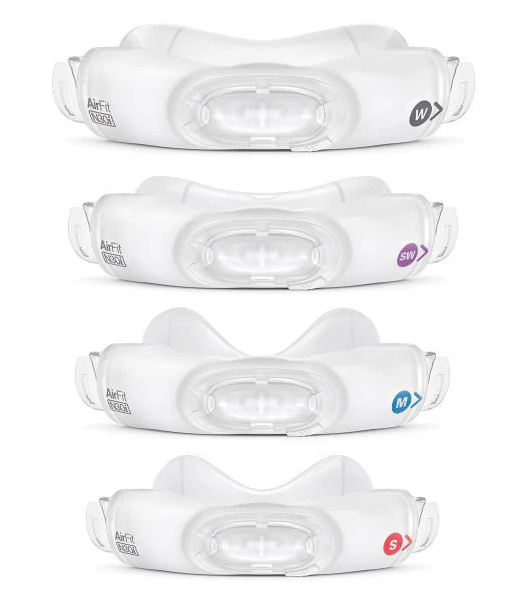
A Worn Mask Cushion
Even if your mask fit perfectly when it was new, cushions naturally wear out over time.
As silicone softens and loses its shape, it becomes more difficult to maintain a proper seal. This can increase air leaks and contribute to dryness.
Replacing worn mask cushions on schedule helps maintain both comfort and effective therapy.

Seasonal Changes
Many CPAP users notice their dry mouth becomes worse during the fall and winter.
Colder outdoor temperatures combined with indoor heating often reduce the amount of moisture in the air, making dryness more noticeable.
If your symptoms seem to change with the seasons, your humidifier settings may simply need a small adjustment.
How to Tell What's Causing Your Dry Mouth
One of the easiest ways to narrow down the cause is by looking at your symptoms.
Your mouth is dry, but your nose feels fine.
This often suggests you're breathing through your mouth while sleeping.
Your mouth, nose, and throat all feel dry.
Your humidity setting may need to be increased.
Your mask leaks every night.
Your mask fit, cushion, or mask style may need attention before adjusting your humidity.
Your dry mouth started after several months of comfortable therapy.
Your equipment may simply be due for replacement.
Taking a few minutes to identify the likely cause can save you from making unnecessary changes to your CPAP setup.
How to Prevent Dry Mouth While Using CPAP
Fortunately, most cases of dry mouth can be improved with a few simple adjustments.
Increase Your Humidity Setting Gradually
If your machine includes a heated humidifier, try increasing the humidity one level at a time.
Avoid making large changes all at once. Give yourself several nights to see whether each adjustment improves your symptoms before increasing it again.
The goal is to find the setting that keeps your airways comfortable without creating excess condensation inside the tubing.

Consider Using Heated Tubing
Many modern CPAP machines are compatible with heated tubing.
Unlike standard tubing, heated tubing helps maintain a consistent air temperature from the machine to your mask.
This allows the air to retain more moisture throughout the night and often provides more consistent humidification than increasing humidity alone.
Heated tubing can be particularly helpful during colder months when condensation and dryness are more common.

Check Your Mask Fit
If your mask leaks regularly, increasing the humidity alone may not solve the problem.
Take a few minutes to:
-
Adjust your mask while lying down.
-
Turn your CPAP machine on before making adjustments.
-
Clean your cushion regularly.
-
Replace worn cushions as recommended by the manufacturer.
Sometimes improving the seal is all that's needed to reduce dryness and improve comfort.

Should You Switch to a Full Face Mask?
If you regularly wake up with a dry mouth and you're using a nasal or nasal pillow mask, you may wonder if switching to a full face mask is the answer.
The truth is, not always.
A full face mask covers both your nose and mouth, allowing you to breathe through either while still receiving your prescribed CPAP therapy. For people who naturally breathe through their mouth during sleep or frequently experience nasal congestion, this can often improve comfort and reduce dry mouth.
However, changing masks isn't always necessary. If your dry mouth is caused by low humidity or a worn mask cushion, switching mask styles may not solve the problem.
Before replacing your mask, ask yourself:
-
Is my mask leaking?
-
Have I adjusted my humidity settings?
-
Is my mask cushion due for replacement?
-
Do I consistently breathe through my mouth while sleeping?
Answering these questions can help determine whether a different mask style is likely to help.

Would a Chin Strap Help?
Some CPAP users wear a chin strap with a nasal or nasal pillow mask to help keep their mouth closed during sleep.
A chin strap isn't designed to force your mouth shut. Instead, it provides gentle support that may help reduce mouth opening in some people.
For users whose dry mouth is caused primarily by mouth breathing, a chin strap may improve comfort without requiring a different mask.
However, if you're consistently unable to breathe comfortably through your nose because of congestion or another medical condition, switching to a full face mask may be a more practical solution.
Could Something Else Be Causing Your Dry Mouth?
CPAP isn't always the only reason someone experiences dry mouth.
Several other factors can contribute, including:
-
Certain prescription medications
-
Seasonal allergies
-
Nasal congestion
-
Dehydration
-
Smoking or vaping
-
Some medical conditions that reduce saliva production
If your dry mouth continues despite adjusting your CPAP equipment, it's worth discussing your symptoms with your healthcare provider.
Looking at the bigger picture can help identify whether something other than your CPAP therapy is contributing to the problem.
Mistakes to Avoid
When trying to solve dry mouth, it's easy to assume that increasing the humidity as high as possible will fix the issue.
Unfortunately, that's not always the case.
Here are a few common mistakes to avoid:
Increasing humidity too quickly
Higher humidity isn't always better. Increasing your settings too much can lead to condensation inside the tubing, commonly known as rainout.
Make small adjustments and give yourself several nights to see how your body responds.
Overtightening your mask
Many people tighten their headgear when they notice dryness or leaks.
In reality, overtightening can distort the mask cushion, increase leaks, and make your mask less comfortable.
Your mask should fit securely without excessive pressure.
Ignoring worn equipment
Mask cushions naturally wear out over time.
If your mask suddenly begins leaking after months of working well, replacing the cushion may solve the problem much more effectively than changing your machine settings.
Assuming every problem requires a new mask
While switching mask styles can help some people, it's rarely the first solution.
It's usually best to rule out humidity, mask fit, and worn components before replacing your mask.
When Should You Contact Your Sleep Clinic or Healthcare Provider?
Most cases of dry mouth improve with simple adjustments at home.
However, you should consider following up with your sleep clinic or healthcare provider if:
-
Dry mouth continues despite adjusting your equipment.
-
You feel like you cannot breathe comfortably with your CPAP.
-
You regularly wake up gasping for air.
-
Your dry mouth is accompanied by significant nasal congestion or other symptoms that aren't improving.
-
You believe your prescribed pressure settings may no longer feel comfortable.
If you're having questions about your CPAP equipment, our team is always happy to help with product-related concerns, replacement parts, mask options, and general equipment troubleshooting.
Frequently Asked Questions
Can CPAP cause dry mouth even with a full face mask?
Yes. Although a full face mask often helps people who breathe through their mouth during sleep, dry mouth can still occur if humidity is too low, the mask is leaking, or other factors such as medications or dehydration are contributing to the problem.
Does increasing the humidity always fix dry mouth?
Not necessarily.
If dry mouth is caused by mouth breathing or a leaking mask, increasing humidity alone may not completely resolve the issue.
Should I switch from a nasal mask to a full face mask?
It depends on what's causing your dry mouth.
If you regularly breathe through your mouth during sleep or have frequent nasal congestion, a full face mask may provide better comfort.
However, if the issue is related to mask leaks or humidity settings, those problems should be addressed first.
Can heated tubing help with dry mouth?
Yes.
Heated tubing helps maintain the temperature of the air as it travels from your CPAP machine to your mask, allowing it to retain moisture more effectively throughout the night.
Many people find it improves overall comfort, particularly during colder months.
Will dry mouth improve as I get used to CPAP?
Sometimes.
For new users, mild dryness may improve as they become more comfortable with therapy and make small adjustments to their equipment.
However, persistent dry mouth shouldn't be ignored, as it's often a sign that something in your setup could be improved.
Final Thoughts
Dry mouth is one of the most common concerns among CPAP users, but it doesn't have to become part of your nightly routine.
In many cases, the solution is surprisingly simple. Adjusting your humidity settings, improving your mask fit, replacing worn equipment, or identifying mouth breathing can often make a noticeable difference.
The key is understanding what's causing the dryness before making changes to your equipment.
If you're unsure where to start, our team is always happy to answer equipment-related questions and help you explore possible solutions. With the right adjustments, CPAP therapy can become much more comfortable, allowing you to focus on getting the restful sleep your treatment is designed to provide.