
New Year’s Resolutions for Better Sleep: Healthy CPAP Habits That Last
The start of a new year is a natural time to reset routines and focus on health. For people living with sleep apnea, improving sleep quality often comes down to daily habits rather than major changes.
CPAP therapy works best when it is supported by good sleep hygiene, consistent routines, and equipment that fits comfortably into your life. These New Year’s resolutions are designed to help CPAP users sleep better, feel better, and stay consistent long term.

1. Protect a Consistent Sleep Schedule
Resolution: Go to bed and wake up at roughly the same time each day.
A stable sleep schedule helps regulate your circadian rhythm, making it easier to fall asleep and stay asleep with CPAP. Irregular bedtimes can increase awakenings and make therapy feel more disruptive than it needs to be.
Helpful tips:
- Set a realistic bedtime you can maintain on both weekdays and weekends
- Put your CPAP on as part of your nightly wind-down, not as an afterthought
- If you nap, keep it short and earlier in the day
Consistency builds familiarity, and familiarity makes CPAP use feel automatic.
2. Build a Calm, CPAP-Friendly Bedtime Routine
Resolution: Create a routine that signals your body it is time to sleep.
A predictable pre-sleep routine helps reduce anxiety around sleep and CPAP use. This is especially helpful for new users or those who struggle with falling asleep while wearing a mask.
Consider including:
- Washing your face and putting your mask on after skincare
- Filling your humidifier chamber with fresh distilled water
- Light stretching or breathing exercises
- Dimming lights and avoiding screens close to bedtime
When CPAP use is part of a calming routine, it feels less like a medical task and more like self-care.
3. Make Comfort a Priority, Not a Compromise
Resolution: Address discomfort early instead of tolerating it.
Many CPAP users push through issues like minor leaks, pressure points, or dryness, assuming discomfort is unavoidable. Over time, this can lead to poor sleep or skipped nights.
Common comfort improvements include:
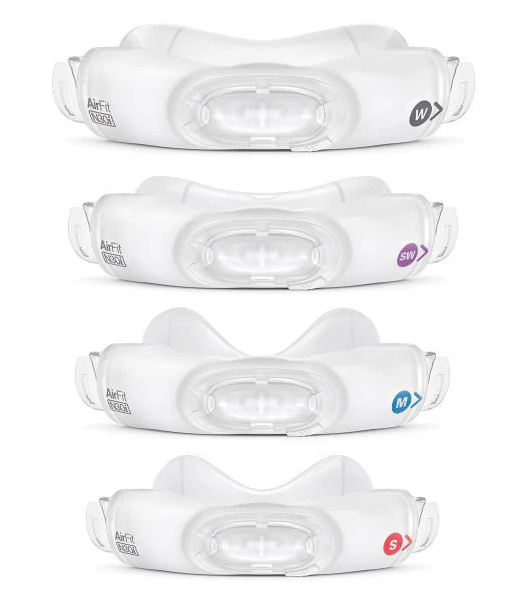
- Adjusting mask fit or trying a different mask style
- Using humidification to reduce dryness and congestion
- Switching pillows if you are a side sleeper
- Reducing condensation by adjusting hose temperature or placement
Comfort directly affects sleep quality. Small adjustments can make a significant difference.
4. Use Your CPAP Every Time You Sleep
Resolution: Use CPAP for all sleep, not just full nights.
Sleep apnea does not take breaks during naps or early mornings. Using CPAP consistently helps maintain stable oxygen levels and improves daytime energy and focus.
Helpful reminders:
- Keep your CPAP easily accessible, even for short naps
- Use travel equipment or extension cords if needed
- Avoid falling asleep without your mask while watching TV or reading
Consistency is one of the strongest predictors of long-term therapy success.
5. Support Therapy With Good Sleep Hygiene
Resolution: Create a sleep environment that works with CPAP, not against it.
Your bedroom setup can either support or undermine your therapy.
Sleep hygiene best practices include:
- Keeping the room cool, dark, and quiet
- Managing pets or bed partners that disrupt sleep
- Limiting caffeine later in the day
- Avoiding heavy meals close to bedtime
A well-designed sleep environment reduces awakenings and makes CPAP use feel more natural.
6. Maintain Your Equipment as Part of Overall Health
Resolution: Keep your CPAP equipment clean and in good working order.
Clean, well-maintained equipment supports both comfort and respiratory health. This does not need to be complicated.
Simple habits:
- Clean mask and tubing regularly with mild soap and warm water
- Replace filters as recommended
- Monitor for wear that affects fit or comfort
When equipment functions properly, therapy feels easier and more reliable.
A Healthier Year Starts With Better Sleep
New Year’s resolutions do not need to be extreme to be effective. For CPAP users, better sleep often comes from consistent habits, improved comfort, and a supportive bedtime routine.
By focusing on sleep health rather than perfection, CPAP therapy becomes easier to maintain and more effective over time.
Better sleep is not just a resolution. It is a foundation for better days ahead.