

Calendrier de remplacement de votre appareil CPAP : quand remplacer votre masque, votre tuyau, vos filtres et les pièces de votre appareil
Maintenir votre équipement CPAP en bon état est essentiel pour un traitement confortable et efficace de l'apnée du sommeil. Bien que votre appareil CPAP fournisse la pression, les petites pièces de votre installation, y compris le coussinet de votre masque, le harnais, la tubulure, les filtres et la chambre à eau, contribuent tous à maintenir l'étanchéité, le flux d'air, l'hygiène et le confort.
Avec le temps, les fournitures CPAP s'usent naturellement. Les coussinets de masque peuvent perdre leur étanchéité, le harnais peut s'étirer, la tubulure peut développer de petits trous, les filtres accumulent la poussière et les réservoirs d'eau de l'humidificateur peuvent devenir troubles ou fissurés. Si ces pièces ne sont pas remplacées régulièrement, vous pourriez commencer à remarquer davantage de fuites du masque, d'inconfort, de sécheresse, de bruit, ou une thérapie qui semble moins efficace que d'habitude.
Ce guide explique quand remplacer chaque pièce de masque et d'appareil CPAP, comment savoir quand vos fournitures sont usées et pourquoi un remplacement régulier peut aider à maintenir votre thérapie confortable et constante.

Calendrier de remplacement CPAP : Guide rapide
Un calendrier de remplacement CPAP vous aide à anticiper l'usure des pièces avant qu'elles ne commencent à affecter votre thérapie. Les délais ci-dessous sont des lignes directrices générales basées sur les recommandations de remplacement du fabricant et les signes courants d'usure. Suivez toujours les instructions d'entretien et de remplacement pour votre masque ou votre appareil spécifique.
Pièce CPAP |
Délai de remplacement général |
|
Coussinet de masque en mousse à mémoire de forme |
Chaque mois |
|
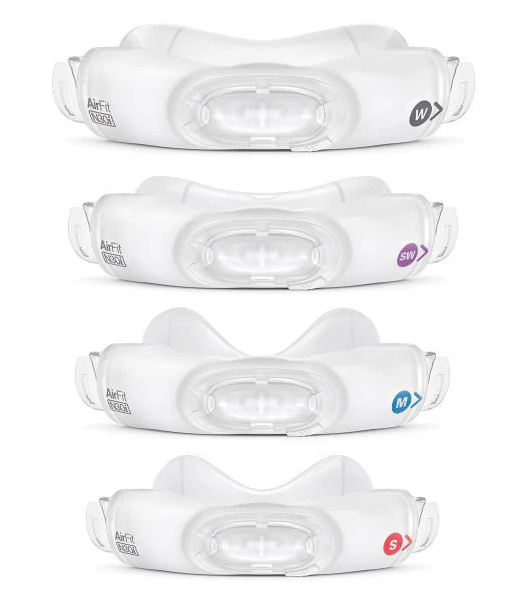
Coussinet de masque en silicone ou embouts nasaux |
Tous les 3 mois |
|
Harnais de masque |
Tous les 3 mois |
|
Tubulure CPAP, y compris la tubulure standard et chauffante |
Tous les 3 mois |
|
Filtre CPAP jetable |
Chaque mois, ou plus tôt si sale |
|
Filtre CPAP lavable/réutilisable |
Nettoyer régulièrement et remplacer s'il est usé ou endommagé |
|
Réservoir d'eau de l'humidificateur |
Tous les 6 mois |
|
Système de masque CPAP complet |
Tous les 6 mois |
|
Appareil CPAP, APAP ou Bi-niveau |
Tous les 5 ans |
Pourquoi les pièces CPAP doivent être remplacées
La thérapie CPAP dépend d'un flux constant d'air sous pression. Votre appareil crée la pression, mais votre masque, votre tubulure, votre filtre et les pièces de votre humidificateur contribuent tous à acheminer cette pression correctement.
Lorsque les pièces CPAP sont usées, la thérapie peut devenir moins confortable et moins fiable. Une sangle de harnais étirée peut faire bouger votre masque. Un coussinet usé peut fuir même après le nettoyage. Un filtre sale peut restreindre le flux d'air. Un tube fissuré ou endommagé peut permettre à l'air sous pression de s'échapper avant d'atteindre votre masque, ce qui peut réduire le flux d'air efficace et affecter les performances de la thérapie.
Remplacer régulièrement les fournitures CPAP peut aider à :
- Améliorer l'étanchéité du masque
- Réduire les fuites d'air
- Maintenir un flux d'air constant
- Améliorer le confort
- Réduire les irritations cutanées
- Maintenir l'équipement plus hygiénique
- Aider à protéger l'appareil de la poussière et des contraintes de flux d'air
- Faciliter le nettoyage
- Soutenir une meilleure utilisation à long terme de la thérapie
Si votre thérapie CPAP devient soudainement inconfortable, bruyante ou moins efficace, des fournitures usées devraient être l'une des premières choses à vérifier.

Quand remplacer les coussinets de masque CPAP
Le coussinet de masque est l'une des pièces de rechange CPAP les plus importantes car il crée l'étanchéité entre votre masque et votre visage. Si le coussinet est usé, votre masque peut fuir même si l'appareil fonctionne correctement.
Il existe deux principaux types de coussinets de masque CPAP : les coussinets en mousse à mémoire de forme et les coussinets en silicone. Ils ne s'usent pas de la même manière et ne suivent pas les mêmes instructions d'entretien.

Coussinets en mousse à mémoire de forme : Remplacer tous les mois
Les coussinets CPAP en mousse à mémoire de forme doivent généralement être remplacés tous les mois. Ces coussinets sont conçus pour être doux contre la peau, mais le matériau est plus délicat que le silicone et s'abîme plus rapidement avec une utilisation régulière.
Les huiles faciales, l'humidité et l'usure nocturne peuvent affecter la forme et la texture de la mousse. Une fois que le coussinet est compressé ou usé, il peut ne plus assurer une étanchéité correcte.
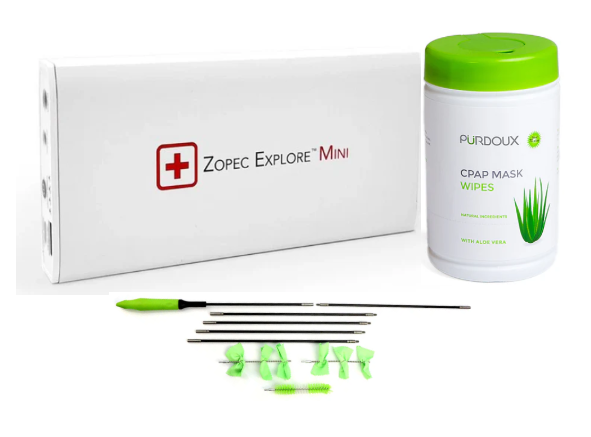
Contrairement aux coussinets en silicone standard, les coussinets en mousse à mémoire de forme ne doivent pas être lavés avec du savon et de l'eau, rincés, trempés ou immergés. Essuyez plutôt délicatement l'extérieur du coussinet avec une lingette CPAP sans alcool, puis laissez-le sécher. Gardez toujours le coussinet en mousse sec et suivez les instructions de nettoyage du fabricant pour votre masque spécifique.
Remplacez votre coussinet en mousse à mémoire de forme si :
- La mousse semble aplatie ou compressée
- Le coussinet ne semble plus doux
- L'étanchéité semble plus faible que d'habitude
- Vous remarquez plus de fuites du masque
- La mousse présente une usure visible, des déchirures ou des résidus
- Vous serrez le masque plus qu'avant
- Le coussinet ne repose plus confortablement sur votre visage
Les coussinets en mousse à mémoire de forme sont une excellente option de confort pour de nombreux utilisateurs de CPAP, mais ils ne sont pas conçus pour durer aussi longtemps que les coussinets en silicone standard.

Coussinets en silicone et embouts nasaux : Remplacer tous les 3 mois
Les coussinets de masque en silicone et les embouts nasaux doivent généralement être remplacés tous les 3 mois. Le silicone est durable, mais il s'use tout de même avec le temps. Les huiles faciales, le nettoyage régulier, la pression et les mouvements nocturnes peuvent affecter la forme, la texture et la capacité du coussinet à assurer une étanchéité correcte.
Remplacez votre coussinet en silicone ou vos embouts nasaux si :
- Le coussinet est glissant même après le nettoyage
- Votre masque fuit plus que d'habitude
- Vous devez serrer les sangles plus souvent
- Le coussinet semble trouble, jauni, déchiré ou usé
- Le silicone semble trop mou, fin ou étiré
- Vous vous réveillez avec des marques rouges ou une irritation
- Votre thérapie semble moins efficace que d'habitude
Un coussinet usé est l'une des raisons les plus courantes pour lesquelles un masque CPAP commence à fuir. De nombreux utilisateurs pensent qu'ils ont besoin d'un masque entièrement nouveau, mais parfois, le remplacement du coussinet est suffisant pour restaurer l'étanchéité.

Quand remplacer le harnais du masque CPAP
Le harnais CPAP doit généralement être remplacé tous les 3 mois. Le harnais peut paraître en bon état à première vue, mais l'élastique peut s'étirer progressivement. Une fois que le harnais perd son élasticité, le masque peut bouger pendant le sommeil ou nécessiter plus de serrage pour rester en place.
Remplacez votre harnais CPAP si :
- Les sangles sont desserrées
- Le Velcro ne tient pas bien
- Le masque bouge pendant le sommeil
- Vous devez constamment resserrer les sangles
- Le harnais a perdu sa forme
- Les sangles s'effilochent, se tordent ou sont étirées
- Vous vous réveillez avec des fuites qui n'étaient pas présentes auparavant
Serrer excessivement un masque CPAP peut en fait aggraver les fuites, surtout avec de nombreux coussinets modernes conçus pour se gonfler légèrement avec le flux d'air. Si vous serrez constamment votre masque, le harnais ou le coussinet pourrait être usé.

Quand remplacer le tube CPAP
La tubulure est facile à négliger car elle peut paraître en bon état de l'extérieur, mais de petites fuites, des extrémités desserrées ou une accumulation interne peuvent affecter le flux d'air. La tubulure CPAP, y compris la tubulure standard et la tubulure chauffante, doit généralement être remplacée tous les 3 mois.
La tubulure standard et la tubulure chauffante suivent le même calendrier de remplacement général, mais la tubulure chauffante a également des points de connexion et des composants chauffants qui doivent être inspectés pour l'usure.
Remplacez votre tubulure CPAP si :
- Vous entendez un sifflement ou de l'air s'échapper
- La tubulure présente des fissures, des trous ou des déchirures
- Les extrémités ne se connectent plus de manière sécurisée
- La tubulure sent le moisi après le nettoyage
- L'intérieur est difficile à nettoyer
- Le tuyau est devenu rigide ou décoloré
- Vous remarquez plus de condensation ou des problèmes de flux d'air
- Votre appareil affiche une erreur liée à la tubulure
- La tubulure chauffante ne semble plus chauffer correctement
Même un petit trou dans la tubulure peut provoquer des fuites d'air et réduire l'efficacité de la thérapie. Si votre appareil fonctionne normalement mais que votre thérapie semble soudainement plus faible ou plus bruyante, la tubulure doit être vérifiée.

Quand remplacer les filtres CPAP
Les filtres à air CPAP doivent être vérifiés régulièrement et remplacés en fonction du type de filtre utilisé par votre appareil. De nombreux appareils CPAP utilisent des filtres jetables qui doivent être remplacés environ tous les mois, ou plus tôt s'ils semblent sales. Certains appareils peuvent également avoir un filtre lavable ou réutilisable qui doit être nettoyé régulièrement et remplacé lorsqu'il est usé ou endommagé.
Les filtres aident à protéger votre appareil de la poussière, des poils d'animaux et des particules en suspension dans l'air. Ils aident également à maintenir le circuit d'air plus propre. Un filtre sale ou obstrué peut faire travailler votre appareil CPAP plus fort et peut réduire le flux d'air.
Si votre appareil utilise à la fois un filtre jetable et un filtre lavable, assurez-vous de prendre soin de chacun correctement. Les filtres jetables ne doivent pas être lavés ou réutilisés. Les filtres lavables peuvent généralement être rincés et entièrement séchés à l'air avant d'être remis dans l'appareil, mais vous devez toujours suivre les instructions du fabricant pour votre appareil spécifique.
Remplacez votre filtre CPAP si :
- Il semble gris, brun ou poussiéreux
- Il présente une accumulation visible
- Il a des trous, des déchirures ou des dommages
- Il a perdu sa forme
- Il semble toujours sale après le nettoyage, s'il s'agit d'un filtre lavable
- Vous remarquez une réduction du flux d'air
- L'appareil sent le rassis ou la poussière
Vous devrez peut-être également vérifier ou remplacer les filtres plus souvent si vous avez des animaux de compagnie, des allergies, une chambre poussiéreuse ou si vous utilisez la CPAP pendant la saison des allergies.
Un filtre peut sembler être une petite pièce, mais il joue un rôle important dans la protection de votre appareil CPAP et de votre circuit d'air thérapeutique.

Quand remplacer le réservoir d'eau de l'humidificateur
Le réservoir d'eau de l'humidificateur doit généralement être remplacé tous les 6 mois. Le réservoir d'eau contient l'eau utilisée pour l'humidification de la CPAP, et avec le temps, il peut devenir trouble, décoloré, piqué ou fissuré.
Même avec un nettoyage régulier, les résidus minéraux et l'humidité peuvent affecter le réservoir avec le temps. L'utilisation d'eau distillée peut aider à réduire l'accumulation de minéraux, mais le réservoir d'eau doit toujours être vidé, nettoyé, séché et remplacé régulièrement.
Étant donné que la cuve à eau est un environnement chaud et humide, des bactéries, des moisissures, des dépôts minéraux ou des résidus peuvent s'y accumuler si elle n'est pas entretenue correctement. Si vous remarquez des résidus visibles, une décoloration, une odeur de moisi ou une accumulation qui ne part pas avec un nettoyage approprié, la cuve à eau doit être remplacée.
Remplacez votre cuve à eau d'humidificateur si :
- Le plastique a un aspect trouble
- Il y a une accumulation de minéraux qui ne part pas au nettoyage
- La cuve est fissurée ou fuit
- Le joint est endommagé
- La cuve a une odeur rance ou de moisi
- Le plastique semble rugueux ou piqué
- Les résidus minéraux ou le film s'accumulent rapidement
- Vous remarquez des résidus visibles, une décoloration ou une accumulation qui ne part pas au nettoyage
Une cuve à eau usée peut être plus difficile à nettoyer correctement et peut affecter le confort et l'hygiène de votre système d'humidification.

Quand remplacer le système de masque PPC complet
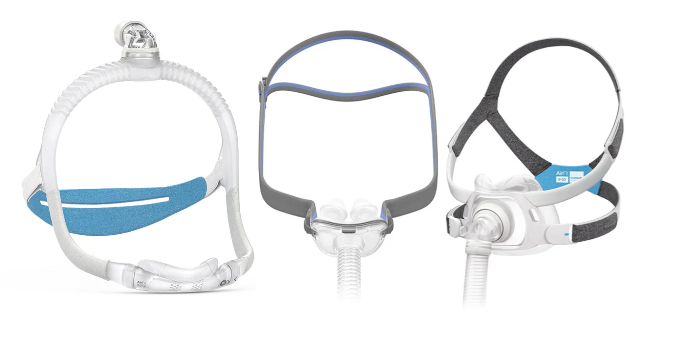
Un système de masque PPC complet doit généralement être remplacé tous les 6 mois. Un système de masque complet comprend généralement le cadre du masque, le coussin, le harnais et le coude ou le tube court. Au fil du temps, plusieurs pièces peuvent s'user simultanément, surtout si le masque est utilisé toutes les nuits.
Vous pourriez avoir besoin d'un nouveau masque complet si :
- Le cadre est fissuré ou endommagé
- Le coude ou le tube court est desserré
- Le coussin ne se fixe plus solidement
- Le harnais et le coussin sont tous deux usés
- Les fuites persistent même après le remplacement du coussin
- Le masque ne s'adapte plus comme avant
- Le masque semble moins stable pendant le sommeil
- Les pièces de rechange ne sont plus disponibles
Le remplacement du système de masque complet peut être particulièrement utile si vous avez remplacé des pièces individuelles mais que vous continuez à subir des fuites, de l'inconfort ou un mauvais ajustement. Si plusieurs pièces sont usées en même temps, le remplacement du masque complet peut être plus pratique que le remplacement d'une pièce à la fois.

Quand remplacer votre appareil PPC
Les appareils PPC, APAP et à deux niveaux sont généralement remplacés environ tous les 5 ans. Même si l'appareil s'allume encore, les appareils plus anciens peuvent devenir plus bruyants, moins fiables ou obsolètes par rapport aux nouveaux modèles dotés de réglages de confort et de suivi de thérapie mis à jour.
Vous pourriez envisager de remplacer votre appareil PPC si :
- Il a environ 5 ans ou plus
- Le moteur semble plus bruyant qu'avant
- La pression semble incohérente
- L'appareil s'éteint de manière inattendue
- L'humidificateur ne fonctionne pas correctement
- L'écran, les boutons ou l'alimentation électrique ne sont pas fiables
- Les pièces de rechange sont plus difficiles à trouver
- Vous souhaitez accéder aux nouvelles fonctionnalités de suivi de thérapie
- Votre prescription ou vos besoins thérapeutiques ont changé
Un appareil PPC est le cœur de votre thérapie, mais il fonctionne mieux lorsque le masque, le tube, les filtres et les pièces de l'humidificateur sont également correctement entretenus.

Signes que vos fournitures PPC doivent être remplacées plus tôt
Les délais de remplacement sont utiles, mais ce ne sont pas les seules choses à suivre. Certains utilisateurs peuvent avoir besoin de remplacer des pièces plus tôt en fonction des habitudes de nettoyage, des huiles faciales, des réglages de pression, du style du masque, de l'environnement de la chambre, des animaux domestiques, des allergies et de l'utilisation nocturne.
Remplacez les pièces PPC plus tôt si vous remarquez :
- Plus de fuites du masque
- Nécessité de serrer les sangles souvent
- Le masque a perdu de son élasticité ou de sa souplesse
- La thérapie semble moins efficace que d'habitude
- Le coussin reste glissant après le nettoyage
- Fissures, déchirures ou trous visibles
- Pièces troubles ou décolorées
- Odeurs de moisi
- Harnais étiré
- Filtres sales ou décolorés
- Accumulation ou fissuration de la cuve à eau
- Tuyaux rigides, lâches ou fuyants
- Plus de bruit que d'habitude
- Taux de fuite plus élevés dans vos données PPC
Si votre masque fonctionnait bien et que soudainement il ne fonctionne plus, les pièces usées sont l'une des premières choses à vérifier.

Nettoyage vs remplacement des fournitures PPC
Le nettoyage de votre équipement PPC est important, mais le nettoyage ne remplace pas la nécessité d'un remplacement régulier. Même avec un nettoyage approprié, les pièces PPC se détériorent naturellement avec le temps.
Une bonne routine de nettoyage peut aider à maintenir votre équipement en meilleur état, mais elle ne peut pas restaurer complètement un harnais étiré, du silicone usé, de la mousse compressée, un tube fissuré ou un filtre jetable sale.
En règle générale :
- Nettoyez régulièrement le coussin de votre masque pour éliminer les huiles faciales
- Videz et séchez votre réservoir d'eau quotidiennement
- Nettoyez les tubes, les cadres de masque et les cuves d'humidificateur conformément aux instructions du fabricant
- Vérifiez souvent les filtres et remplacez-les lorsqu'ils sont sales
- Inspectez toutes les pièces pendant le nettoyage pour déceler des fissures, des accumulations ou de l'usure
Évitez les savons agressifs, l'eau de Javel, les nettoyants à base d'alcool, les produits parfumés, les brosses abrasives, les lave-vaisselle, les machines à laver et la lumière directe du soleil pour le séchage, sauf si le fabricant indique spécifiquement qu'ils sont sûrs. Les méthodes de nettoyage agressives peuvent endommager les matériaux de la PPC et raccourcir la durée de vie de vos fournitures.
Pourquoi votre masque PPC peut fuir davantage avec le temps
Si votre masque se met soudainement à fuir après avoir bien fonctionné pendant des semaines ou des mois, le problème n'est peut-être pas le style du masque. Il peut s'agir d'un coussin usé, d'un harnais étiré, d'un connecteur desserré ou d'un tube tirant sur le masque pendant le sommeil.
Les causes courantes de fuites de masque nouvelles ou aggravées incluent :
- Ancien coussin de masque
- Harnais étiré
- Taille de masque incorrecte
- Coude ou connecteur desserré
- Cadre usé
- Huiles faciales sur le coussin
- Serrage excessif du masque
- Changements de position de sommeil
- Changements de pilosité faciale ou de structure faciale
- Le tube tire sur le masque pendant le sommeil
Avant de passer à un masque complètement différent, vérifiez si le coussin, le harnais ou le tube a simplement besoin d'être remplacé.

Couverture d'assurance pour les fournitures de remplacement de PPC
De nombreux régimes d'assurance privés couvrent les fournitures de remplacement de PPC, mais le montant et la fréquence de remplacement peuvent varier selon le régime. En fonction de vos avantages, des articles tels que les masques, les coussins, les harnais, les tubes, les filtres et les cuves à eau de l'humidificateur peuvent être admissibles au remboursement.
Avant d'acheter des fournitures de remplacement, vérifiez les détails de votre régime ou contactez votre assureur pour confirmer ce qui est couvert, la fréquence à laquelle vous pouvez remplacer chaque article et si une ordonnance est requise. Si votre assureur exige une approbation préalable, vous pouvez nous contacter pour obtenir un devis à soumettre avant de passer votre commande. Après l'achat, vous pourriez également avoir besoin d'une facture détaillée lors de la soumission de votre demande.
L'utilisation de vos avantages d'assurance peut vous aider à remplacer les fournitures PPC usées à temps, plutôt que d'attendre que votre masque fuit, que votre tube soit endommagé ou que votre équipement devienne inconfortable.

Conseils de remplacement de la PPC pour une meilleure thérapie
Voici quelques astuces simples pour ne pas oublier de remplacer vos fournitures de PPC.
1. Tenez un calendrier de remplacement
Marquez votre calendrier ou définissez des rappels pour les filtres, les coussins, les tubes et les cuves à eau. De nombreux utilisateurs oublient la dernière fois qu'ils ont remplacé une pièce, surtout si la pièce semble encore en bon état.
2. Ayez des filtres et des coussins de rechange à portée de main
Les filtres et les coussins sont petits, faciles à ranger et sont fréquemment remplacés. Avoir des pièces de rechange disponibles peut éviter des problèmes de dernière minute.
3. N'attendez pas que votre masque fuit gravement
Une fois qu'un coussin ou un harnais est usé, vous risquez de commencer à perdre du sommeil avant de réaliser que la pièce est le problème. Le remplacement des pièces avant qu'elles ne tombent en panne peut aider à maintenir une thérapie cohérente.
4. Inspectez votre équipement pendant le nettoyage
Le moment du nettoyage est le plus facile pour vérifier les fissures, la décoloration, l'étirement ou l'accumulation.
5. Remplacez les pièces après une maladie si nécessaire
Si vous avez été malade, nettoyez soigneusement votre équipement et envisagez de remplacer les pièces très sollicitées telles que les coussins, les filtres et les tubes.
6. Vérifiez régulièrement l'ajustement de votre masque
Si votre masque ne vous semble plus confortable, si votre position de sommeil a changé ou si vous rencontrez des fuites persistantes, il est peut-être temps de vérifier si votre style de masque actuel est toujours le mieux adapté.

Foire aux questions sur les fournitures de remplacement de PPC
À quelle fréquence dois-je remplacer mon masque PPC ?
Un système de masque PPC complet est généralement remplacé tous les 6 mois, tandis que les pièces individuelles telles que les coussins, le harnais et les tubes peuvent devoir être remplacées plus souvent.
À quelle fréquence dois-je remplacer mon coussin PPC ?
Les coussins en mousse à mémoire de forme sont généralement remplacés tous les mois. Les coussins en silicone et les coussins nasaux sont généralement remplacés tous les 3 mois, ou plus tôt s'ils fuient, sont usés, déchirés ou ne scellent plus correctement.
À quelle fréquence dois-je remplacer les tubes PPC ?
Les tubes PPC, y compris les tubes standard et chauffants, sont généralement remplacés tous les 3 mois, ou plus tôt s'ils présentent des fissures, des trous, des connecteurs desserrés, une odeur ou des signes d'usure.
À quelle fréquence dois-je remplacer mon filtre PPC ?
Les filtres PPC jetables sont généralement remplacés tous les mois, ou plus tôt s'ils semblent sales. Les filtres lavables doivent être nettoyés régulièrement et remplacés lorsqu'ils sont usés ou endommagés.
Comment savoir si mon masque PPC est usé ?
Les signes courants incluent davantage de fuites, la nécessité de serrer les sangles plus souvent, un harnais étiré, un coussin glissant ou usé, des marques rouges, un inconfort ou une thérapie qui semble moins efficace.
À quelle fréquence dois-je remplacer ma chambre à eau PPC ?
Un réservoir d'eau pour humidificateur PPC est généralement remplacé tous les 6 mois, ou plus tôt s'il est fissuré, fuit, est trouble, piqué, difficile à nettoyer ou présente une accumulation qui ne part pas avec un nettoyage approprié.
Dois-je remplacer les fournitures PPC si je les nettoie régulièrement ?
Oui. Le nettoyage aide à entretenir votre équipement, mais il n'arrête pas l'usure normale. Les coussins, le harnais, les tubes, les filtres et les cuves à eau doivent toujours être remplacés régulièrement car les matériaux se dégradent naturellement avec le temps.

Considérations finales : le remplacement des pièces PPC contribue à maintenir une thérapie confortable et efficace
La thérapie PPC fonctionne mieux lorsque votre équipement est propre, confortable et bien étanche. Les vieux coussins, les harnais étirés, les filtres sales, les tubes fissurés et les cuves à eau troubles peuvent rendre la thérapie plus difficile qu'elle ne devrait l'être.
Une bonne règle générale est de remplacer les pièces à contact élevé comme les coussins en mousse à mémoire de forme et les filtres tous les mois, de remplacer les coussins en silicone, les harnais et les tubes tous les 3 mois, de remplacer les cuves d'humidificateur et les systèmes de masque complets tous les 6 mois, et de vérifier votre appareil PPC vers la barre des 5 ans.
Si votre thérapie PPC vous semble soudainement moins confortable, si votre masque fuit ou si votre appareil semble plus bruyant que d'habitude, ne présumez pas que la PPC ne fonctionne plus pour vous. Souvent, la solution est aussi simple que de remplacer une pièce usée.
Le remplacement régulier des fournitures PPC peut aider à améliorer le confort, à réduire les fuites, à favoriser une meilleure hygiène et à faciliter la cohérence de la thérapie nuit après nuit.
Si vous n'êtes pas sûr de la pièce de rechange qui convient à votre masque ou à votre appareil, CPAP Outlet peut vous aider à confirmer la compatibilité avant de commander. Avoir les bonnes fournitures de remplacement à portée de main peut faciliter le maintien d'une thérapie confortable et cohérente.